
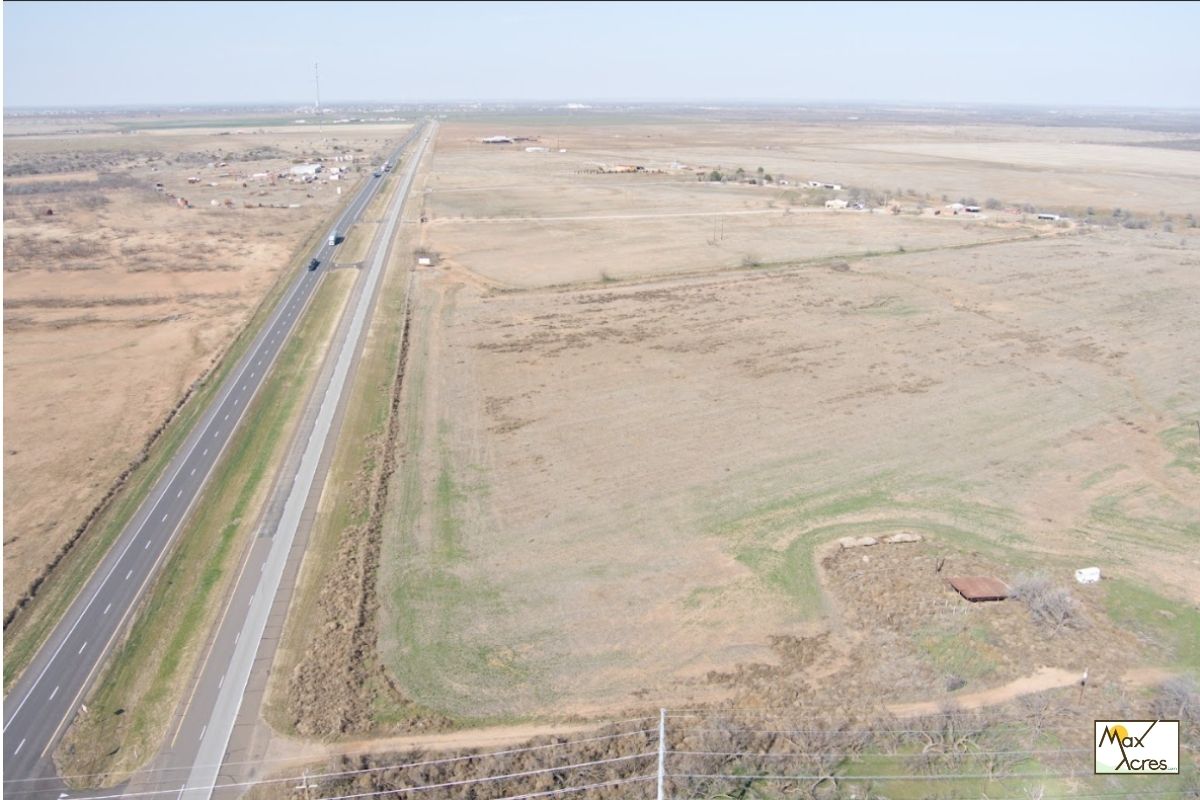
“Not a developer’s floor plan. Not someone else’s design decisions. Your home. Your land. Your terms — from the very first brick.”
There is something uniquely satisfying about the idea of building your own home from scratch. Not choosing from a preset menu of options. Not inheriting the previous owner’s taste in tile or cabinetry. Not paying a premium for upgrades you never asked for.
Just a blank piece of land — yours — and a home that grows out of it exactly the way you imagined.
For thousands of families across the country, learning how to build a house on your own land is not a distant dream. It is a practical, achievable decision that starts with one affordable parcel and unfolds from there — step by step, on your timeline, at your pace. (1)
This guide covers everything you need to know before you start — what to look for in buildable land, how the process works from lot to finished home, what it actually costs, and how to avoid the mistakes that slow most first-time builders down.
What It Actually Feels Like to Build on Your Own Land
Before the checklist and the steps, here is something worth sitting with.
The families who have done this — people who started with an empty parcel and ended up standing inside a home that did not exist before they decided to build it — describe the experience in a way that financial returns alone cannot capture.
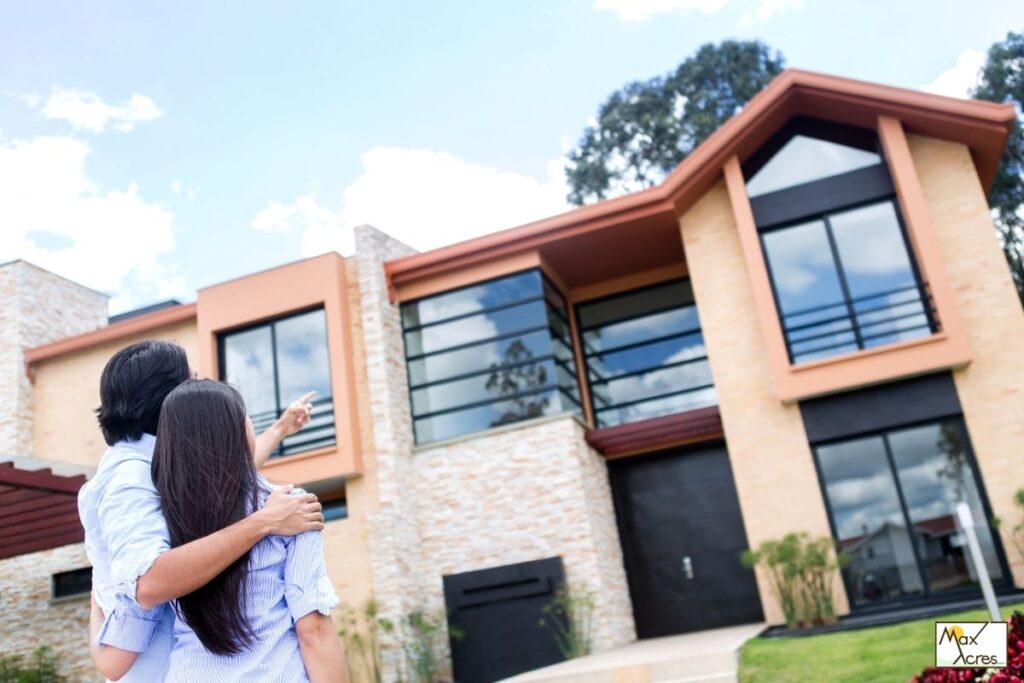
They talk about the moment their children walked through the front door of a home that was designed around them. The feeling of driving down a road and knowing that the structure at the end of it came from a decision they made, not a mortgage they inherited. The quiet satisfaction of knowing that what they own — the land and the home on it — will still be there for the people who come after them.
None of them started with a trust fund. Most of them started with a parcel, a plan, and a team that knew how to walk them through the rest.
That is what how to build a house on your own land looks like when it becomes real (2) — not a construction project, but a life decision that pays forward for generations.
Why Buy Land Before You Build?
When you purchase an existing home, you are paying for the land, the structure, the finishes, and the developer’s margin — all bundled together into one price you did not set and cannot separate.
When you buy land to build a house, you separate those costs and gain control over each one. This is the core financial advantage of understanding how to build a house on your own land (3) — and why so many families are choosing this path over buying finished homes.
According to the USDA Land Values Report, rural land in the United States has averaged 5–6% in annual appreciation over the past two decades. That means the land you purchase today is already working for you before a single wall goes up. And in many markets, the combined cost of land plus construction is still lower than the purchase price of a comparable finished home — without the compromise of inheriting someone else’s design.
You choose the floor plan. The materials. The layout. The timeline. You are not moving into someone else’s vision. You are building your own.
What to Look for in Buildable Land
Not all land is automatically buildable. Before purchasing a parcel with the intention of constructing a home, confirm these five things — every one of them matters:
Zoning The land must be zoned for residential use. Agricultural or recreational zoning may restrict permanent structures. Always verify with the local county or municipality. MaxAcres confirms zoning on every listing before it reaches you.
Utility Access Does the land have access to water, electricity, and sewage? Rural parcels may require a well, septic system, and utility connection — all manageable with proper planning, but important to budget for upfront.
Road Access Legal road access is essential for construction vehicles, material deliveries, and eventual daily living. Land without confirmed road frontage creates problems at every stage.
Soil and Topography Flat, stable ground is easiest and most affordable to build on. Steep slopes or poor soil composition can significantly increase foundation costs. A simple soil assessment before you close saves thousands later.
Deed Restrictions Some parcels carry deed restrictions that limit what can be built. A clean title review surfaces any restrictions before you commit. Every MaxAcres listing is title-verified before it reaches a buyer.
Who Is Already Doing This — And What They Started With
The people building homes on their own land are not who most people imagine.
They are not wealthy developers or seasoned investors with construction teams on standby. They are families and professionals who made one careful land purchase — often at a price far below what they expected — and built from there.
A couple who bought buildable land for sale through MaxAcres for under $20,000, spent two years planning, and broke ground on a custom home on your own lot designed entirely around their family’s needs. A professional who purchased buildable land for sale in a growing region, held it while values rose, and used that appreciation as leverage toward construction financing. A parent who bought a residential lot for sale specifically so their child would have somewhere to build when the time came — land already paid for, deed already in their name.
None of them started with a complete plan. All of them started with a parcel.
The Step-by-Step Path From Lot to Home
Here is exactly what building on rural land or a residential lot for sale looks like from the moment you decide to buy land to move-in day:
Step 1: Find and Purchase the Right Parcel Work with MaxAcres — a trusted land wholesaler residential buyers rely on — to identify buildable land for sale that meets your criteria — zoning confirmed, title clean, road access verified, comps reviewed. Close on the land. It is now yours. This is where how to build a house on your own land (4) truly begins — not at the blueprint stage, but the moment the ground beneath your future home belongs to you.
Step 2: Hire Your Design Team An architect or home designer translates your vision into blueprints. This is where your custom home on your own lot begins to take shape — on paper first, then in reality. Whether you are building on rural land or a suburban residential lot, having a design team aligned with your vision from the start saves significant time and cost later.
Step 3: File for Permits Submit your plans to the local building authority for approval. Processing times vary by region — typically a few weeks to a few months. MaxAcres can point you toward resources that help navigate local permit requirements.
Step 4: Secure Construction Financing A land and construction loan funds the building process in stages as work is completed. Many lenders offer construction-to-permanent loans that convert to a standard mortgage once the home is finished — one loan, one closing, one clean transition. Having your land already secured makes qualifying for a land and construction loan significantly more straightforward.
Step 5: Break Ground With permits approved and financing in place, your contractor begins construction. You have a timeline, a budget, and a home on the way.
Step 6: Move In Upon completion and final inspection, your home is ready. Built exactly the way you designed it, on land that was always yours.
The Financial Advantage Nobody Talks About
Here is something most people never consider when they compare buying a finished home to building their own:
When you buy an existing home, you are paying for everything at once — land, structure, finishes, and the developer’s profit margin — in a single price you had no hand in setting. The moment you sign, you own all of it. Including the parts you did not want, the layout you would have changed, and the premium baked in for decisions that were never yours.
When you own the land first, everything changes.
Your land purchase is separate — often far below what people expect, starting in the $5,000 to $20,000 range for buildable parcels, with owner financing available that requires no bank, no credit check, and no approval process. That means your entry cost is low, your monthly commitment is manageable, and the most important asset — the ground your home will sit on — is already secured and already appreciating while you plan.
By the time you are ready to break ground, you are not starting from zero. You are building on land you already own, land that has already been gaining value, land that no market fluctuation can take away from you. Your construction loan covers the build. Your land is the foundation — financially and literally.
In many markets, buyers who own their land before building end up spending significantly less overall than buyers who purchased a comparable finished home. And they end up with something no finished home can offer: a property designed entirely around their life, built on ground that was theirs from the start.
That is the financial advantage of owning land before you build. Not complicated. Just chronology — and the clarity that comes with controlling each step.
Let’s Be Honest — Building on Your Own Land Has Real Challenges
Any guide that makes this process sound effortless is not being straight with you. Here is what every smart first-time builder should know going in:
Permit timelines vary. In some regions, building permits process in weeks. In others, months. Factor this into your timeline before you commit to a construction start date.
Utility costs add up. Rural parcels requiring well and septic installation add to your construction budget — typically $15,000–$30,000 depending on location and soil conditions. Know this before you close on the land.
Construction budgets shift. Material costs fluctuate. Always build a contingency of 10–15% into your construction budget. Experienced contractors will tell you the same.
Not every parcel is buildable as-is. Zoning, soil, slope, and deed restrictions all matter. This is exactly why MaxAcres verifies each of these before any listing reaches you — so you are never making a blind commitment.
These are not reasons to avoid building. They are simply what informed buyers know before they start.
“Building a home on land you own is not just a construction project.
It is one of the most permanent, personal decisions a family can make — and it starts with a single parcel.”
Questions First-Time Builders Always Ask
“Can I use owner financing on the land and still get a construction loan?” Yes — and this is actually a smart sequencing strategy. Many buyers use owner financing to secure the land quickly and affordably, then pursue a separate construction loan once they are ready to build. The land deed strengthens your position with construction lenders.
“What if utilities are not available on the parcel I want?” Off-grid solutions — well water, septic systems, solar power — are standard in rural construction and entirely manageable with proper planning and budgeting. MaxAcres flags utility access status on every listing so you know exactly what you are working with before you commit.
“How long does the entire process take from land purchase to move-in?” It varies — but a realistic timeline for most first-time builds runs 12–24 months from land purchase to move-in. The land acquisition itself typically closes in 2–3 weeks. Permitting and construction are where the timeline extends, and having the right contractor makes a significant difference.
“What if I buy the land now but am not ready to build for a few years?” This is one of the smartest moves a buyer can make. The land appreciates while you wait. Your construction options improve as you save. And when you are ready, the most important step — owning the land — is already behind you.
What You Are Really Building
A home built on land you own is more than a structure. It is a statement.
It says that you chose your own layout instead of inheriting someone else’s. That you selected your own materials instead of accepting a developer’s default. That you built something permanent — on ground that belongs to you, and eventually to the people who come after you.
The custom home on your own lot that starts as an idea today becomes the place your family returns to for decades. The land your children grow up on. The address that belongs to your family name — not a developer’s, not a bank’s. Yours.
That is what how to build a house on your own land (5) means beyond the blueprints and the permits. And it starts with one available parcel, one decision, and a land wholesaler residential buyers trust — a team ready to walk you through every step.
The Part Most People Don’t Expect
Ask anyone who has built a home on land they own what surprised them most about the process — and almost none of them say the construction. Almost none of them say the permits or the financing or the timeline.
What they say is this: they had no idea how affordable the starting point was.
Not the finished home. Not the build. The land itself — the parcel that made everything else possible. The piece of ground they secured before anyone else did, at a price that no finished home in the same area could touch, through a process that took less than three weeks from first conversation to deed in hand.
That is the part nobody puts in the brochure. That the hardest-seeming step — owning the land — turned out to be the simplest one. And that once it was done, everything that came after felt less like a dream and more like a plan.
The buildable parcels available through MaxAcres right now are exactly that kind of starting point. Already vetted. Already priced below market. Already waiting for someone who decided to find out what was actually possible.
Explore what’s currently available at MaxAcres.com — and see what your starting point looks like.